Microgrid vs. Battery: What’s the Real Difference?
In the world of clean energy, it’s easy to get lost in the jargon. Words like microgrid and battery storage get thrown around a lot and more often than not, people assume they mean the same thing. If you’ve ever been unsure about the difference, you’re definitely not alone.
The truth is, these two technologies often work together, but they play very different roles. A battery is like the engine. A microgrid? That’s the full vehicle engine, wheels, dashboard, and the smart system that knows where to go and when.
Understanding the difference isn’t just about being technically correct. It’s about seeing how smarter energy systems actually work—and how they’re helping us build a cleaner, more reliable future.
The power of a battery: the engine behind the system
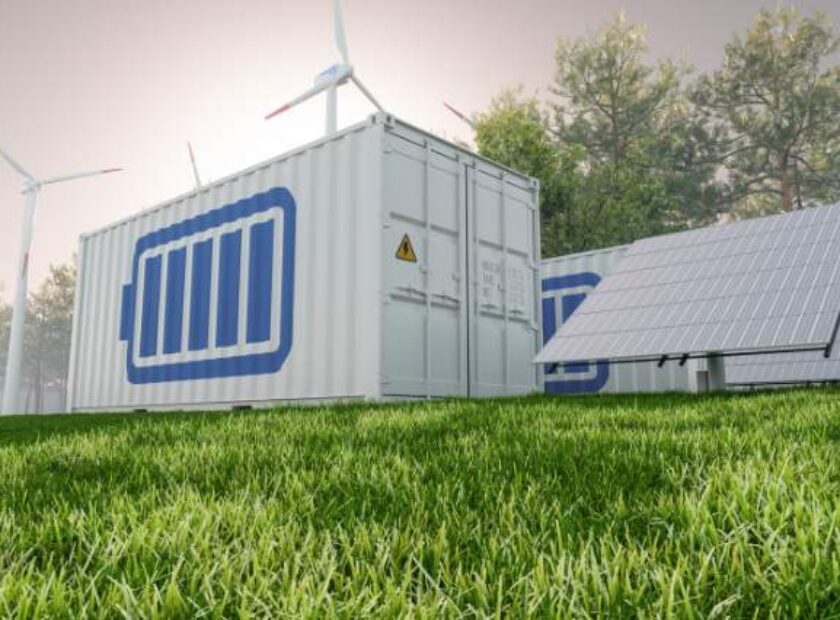
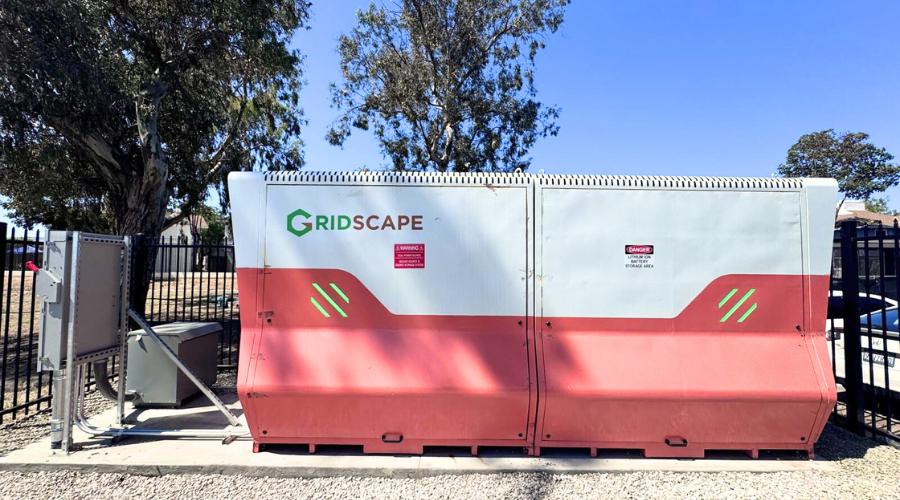
A Battery Energy Storage System (BESS) is essentially a rechargeable container for electricity. It stores energy when it’s abundant (like from midday solar) and releases it when it’s needed most (like during evening demand spikes or outages).
But it’s more than just backup power.
Batteries solve one of the biggest challenges in renewable energy: timing. Solar and wind don’t always generate power when we need it. Batteries fill that gap, making energy available on demand—reducing reliance on polluting “peaker” plants and helping smooth the grid’s supply curve.
For businesses, cities, campuses, homes, hotels, hospitals batteries can:
- Reduce electricity bills by avoiding peak-hour rates
- Increase the use of on-site solar power
- Provide limited backup during grid outages
But by themselves, batteries are reactive, not strategic. They need something—or someone—to tell them when and how to act.
The intelligence of a Microgrid: the brains behind the operation
That’s where the microgrid comes in.
A microgrid is a local, self-contained energy system that can operate with or without the main utility grid. It’s built for control, independence, and resilience especially in critical moments.
A true microgrid includes:
- Energy generation: Solar panels/wind turbines/ generators
- Loads: Homes, facilities, or equipment that use the power
- An intelligent controller: The software “brain” that decides how energy flows—what gets powered, when to charge the battery, when to pull from solar, when to disconnect from the grid (“islanding”), and how to keep everything running smoothly in real time
This intelligent controller is what makes a microgrid smart. Without it, even the best battery is just sitting in a box, waiting for someone to flip the switch.
Better together: why Microgrids and batteries are a perfect pair
When microgrids and batteries come together, you get more than backup power—you get intelligent energy management.
- Ultimate Resilience: If the main grid fails, the microgrid’s controller instantly shifts to battery or on-site generation, keeping the power on with zero interruption.
- Sustainable Operation: With battery storage, microgrids can run longer and cleaner on renewables—minimizing or eliminating the need for fossil-fuel generators.
- Smart Optimization: The microgrid controller can manage the battery for peak shaving, time-of-use savings, demand response, and backup—all at once. You simply can’t do that with a standalone battery.
What Gridscape does differently
At Gridscape, we don’t just sell batteries. We design and deploy intelligent microgrids that leverage batteries to deliver real-world outcomes:
✅ Greater reliability
✅ Higher energy savings
✅ Lower emissions
✅ Better control over your power
We believe the energy future isn’t just about producing electricity, it’s about managing it intelligently. Microgrids and batteries are the cornerstone of that future, and when designed right, they can transform how entire communities generate, use, and own their energy.