Read More

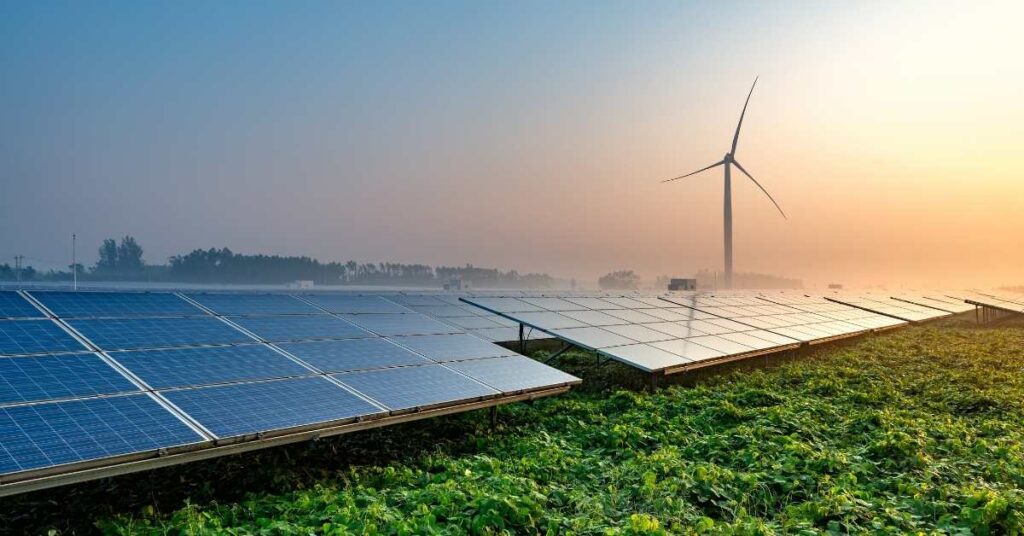
Why many brands are greenwashing?

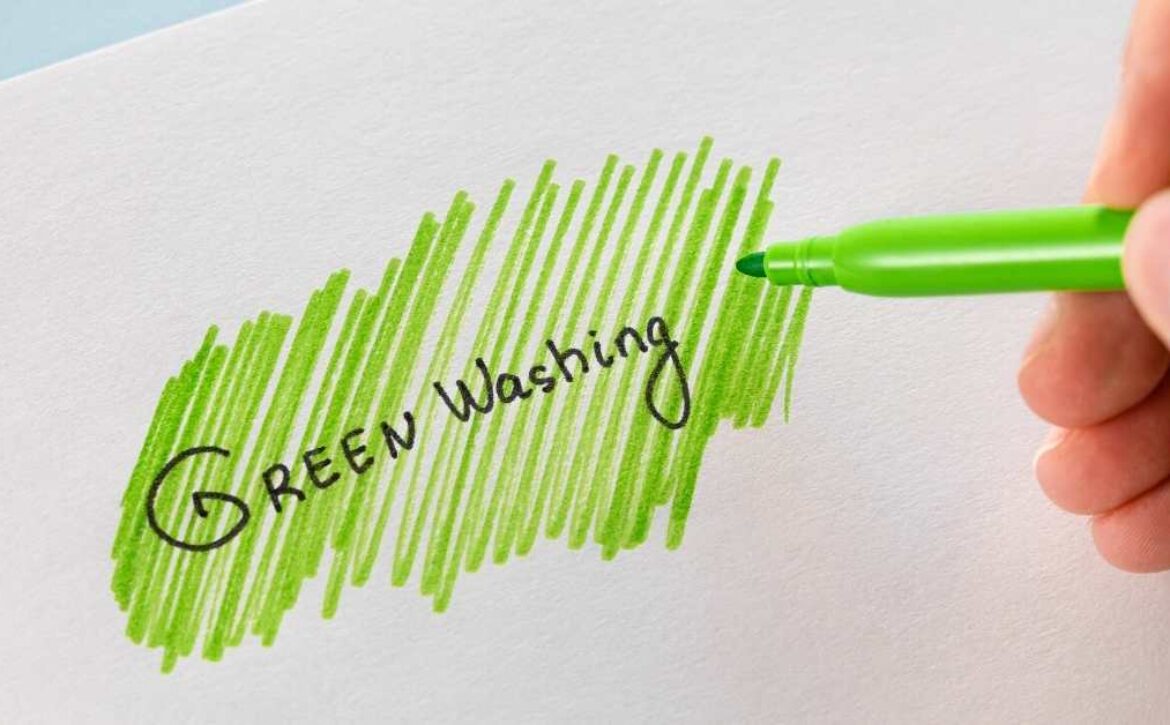
Greenwashing as the name suggests happens when companies purport to be environmentally conscious and have eco-friendly products, only for the sake of marketing and promotions, without having any real intentions or efforts toward sustainability.

But not all companies using this marketing tactic have bad intentions, to begin with, and may simply be unaware of how to be carbon-friendly. However, due to rampant greenwashing by small and large corporations, most consumers have a hard time trusting brands when they make claims about their sustainable practices.

These days customers buy environmentally friendly electronics, screw-on low energy lightbulbs, buy low water usage washing machines, and electric cars. Fast fashion and unsustainably manufactured products are quickly fetching to be unfashionable among the increasingly growing climate-conscious population of buyers. Yet greenwashing is a prevalent marketing gimmick intended to mislead customers.

How does this hurt the brand instead of adding to the bottom line?

Greenwashing has changed its face several times over the past 20 years. In the mid-80s the oil company Chevron had commissioned several TV ads under their popular campaign “People do” wherein they promoted their dedication to safeguarding the environment. Yet, it was soon discovered that the brand had been overrepresenting its sustainability practices, and had been dumping oil into wildfire refuges, thus, actively violating the Clean Air Act and Clean Water Act.

Hence, it is understandable that greenwashing isn’t sustainable (pun intended). Eventually, embellishments come to bite back brands at the worst times and many may never recover from the bad rap.

Fluffy language, greenwashed packaging (paper bags with eco-friendly symbols), making claims such as “made with organic cotton” or “5-star energy-rated” can have serious consequences if probed by curious minds waiting to make some money out of a lawsuit.

Our suggestion would be to clean up organizational operations with eco-friendly practices. Make valid claims; instead of saying “made with organic cotton” be transparent and say “made with 60% organic materials” and start researching about being sustainable in your business. 

A good place to start your journey towards sustainable practices is to reduce your carbon footprint and use sustainable energy.

People often confuse sustainable energy with renewable energy. While most renewable energy is sustainable, sustainable energy is derived from sources that can be renewed yet do not emit climate-affecting gases into the environment while in use. The answer to our ever-increasing need for energy resources is a complex and nuanced one. Sustainable energy is a promising solution that, when considered with efficiency and effectiveness can offer a greener tomorrow within reasonable means. 

Read More

Sustainable energy- common myths debunked

We all know the advantages of sustainable energy, clean air, a better environment, and a better world. Sustainability has become the most talked about topic in the world and why not – The environmental advantages of renewable energy, have been widely known for decades. Its numerous socio-economic benefits, however, have only become known in recent times as the deployment of renewable energy technologies has become more common.

Decarbonization of the world economy by 2030 is essential. Adapting sustainable energy is the only way forward if we want to achieve the objective set by the Paris Agreement to limit the temperature of the planet to 1.5°C that is, above pre-industrial levels.

It has been predicted that Earth will warm between 2 and 6 degrees Celsius in the next century. When global warming has happened at various times in the past two million years, it has taken the planet about 5,000 years to warm 5 degrees. The predicted rate of warming for the next century is at least 20 times faster. This rate of change is extremely unusual. – NASA Earth observatory

But still, there are many skeptics who don’t buy into the idea of sustainability, many still think sustainability is unnecessary and a marketing gimmick. This article aims to dispel myths and perceptions prevalent around renewable energy so that you can make your opinion based on facts.

Myth 1: Sustainable energy transition is unaffordable

Did you know that renewable energy is being used in developing and underdeveloped countries for electricity generation? It’s not only cheaper; it’s also more efficient. In many regions and countries, it’s actually the most economical solution for power.

Coal power generation is 35% efficient, meaning 65% of energy is wasted in production and transport. In comparison, electricity generated using alternative sources is much more efficient it can be produced and managed locally. Gridscape has successfully helped many clients transition to clean energy and has helped them cut electricity costs considerably over time.

Myth 2: Renewable can’t replace fossil fuel

In 2019 worldwide, 15 extreme weather events, caused/triggered mainly by climate change, caused more than $1 billion in damage each. Four of these events each caused more than $10 billion in damage. Undoubtedly, fossil fuels top the list of factors contributing to climate change. Therefore, it is essential that we replace fossil fuels with renewable and this can be done easily. Fossil fuel is finite, whereas wind, and solar are infinite resources and if used in the right way can completely replace fossil fuel.

Myth 3: Renewable energy is unreliable

They say, the sun doesn’t always shine, and the wind doesn’t always blow, so how can renewable energy assure reliability. Conventional thinking has long held the opinion that renewable energy unpredictability makes them unreliable. Thankfully, rapid technological innovation in recent years has helped dubunk this myth. Now grids are more and more stable and they come for the rescue during extreme power outages, when nothing else works. It’s true that solar energy is only produced when the sun is shining but now there is technology and ways in which the energy generated can be stored for longer.

Now AI and technology are being used increasingly and in many ways to ensure grid stability and reliability.

Climate change is real and we must not waste time on such debates. We all know this for sure that the only way to save our planet is by transitioning to renewable energy sources. For us and the decision makers, now is the time to invest in renewable energy. Policymakers can accelerate the transition, both to fight climate change and provide economic advantage in the growing sector, while ensuring an equitable transition for all.

Read More

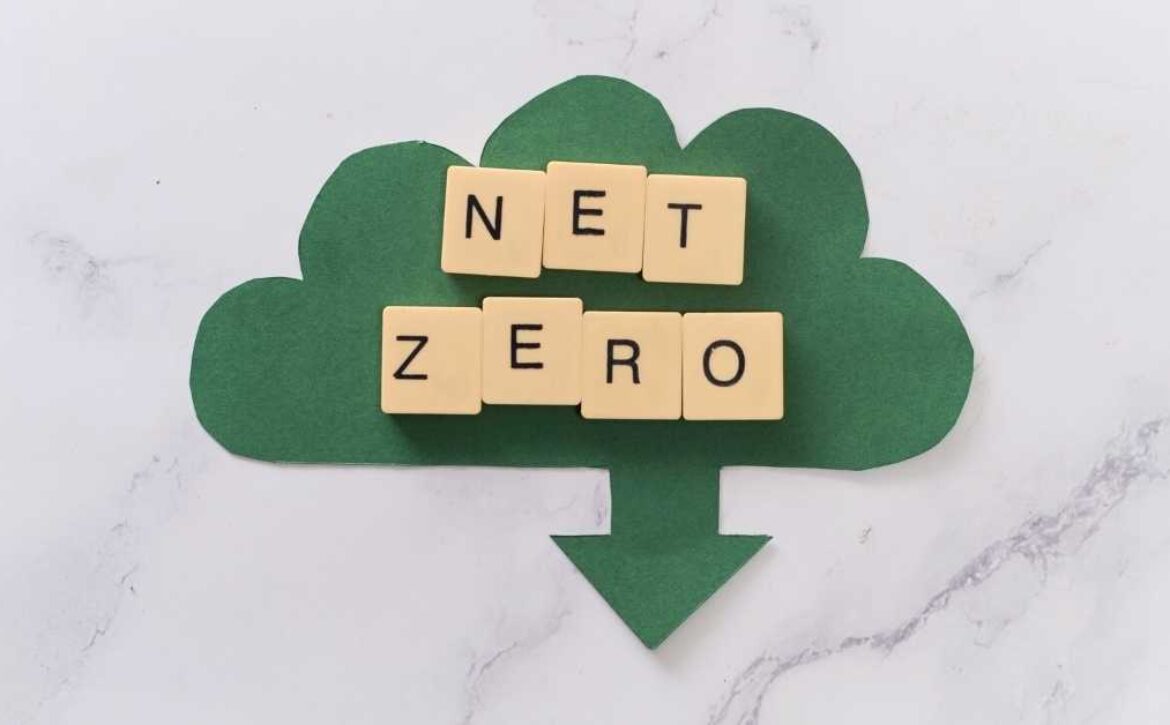
What is Net Zero? How can we achieve this?

Net-zero essentially means cutting down on greenhouse emissions to a level of zero. This means contributing nothing to global warming.

According to WRI, ” Net-zero emissions will be achieved when all GHG emissions released by human activities are counterbalanced by removing GHGs from the atmosphere in a process known as carbon removal”. (Source: wri.org)

This means that the total greenhouse gas emissions in the air should not increase. This further means that we need to reduce emissions while also taking carbon out of the atmosphere.

Many governments and businesses have set a goal of achieving net-zero emissions by 2050.

The U.S. currently produces 6 Gigatons of greenhouse gas emissions each year. The amount of greenhouse gas emissions is measured in terms of CO2-equivalent, which is the amount of CO2 that would have an equivalent global warming impact as a different greenhouse gas (for example, methane or nitrous oxide). To achieve net-zero emissions across the entire United States would require reducing net emissions by an average of 0.2 Gigatons of CO2 equivalent per year over the next 30 years. If the United States were to achieve this goal, it would reduce global greenhouse gas emissions by about 10%.

( Source: globalcitizen.org)

How can you help to reduce emissions?

Well, there are many ways in which each one of us can do our bit to reduce the emissions or to achieve the Net Zero target.

  1. Use clean energy: microgrids are getting very popular, explore microgrids for your community, organization, campus, etc. They will not only you help achieve the net-zero target but they will also help in overall savings.
  2. Use electric vehicles – EVs not only help reduce the negative effects on climate but are also very economical in the long run.
  3. Use energy responsibly- Being more energy-efficient can reduce your costs as well as total carbon emissions.

Did you know you could save a lot of money and reduce emissions of carbon dioxide considerably just by turning your thermostat down by 1°C? 

Read More

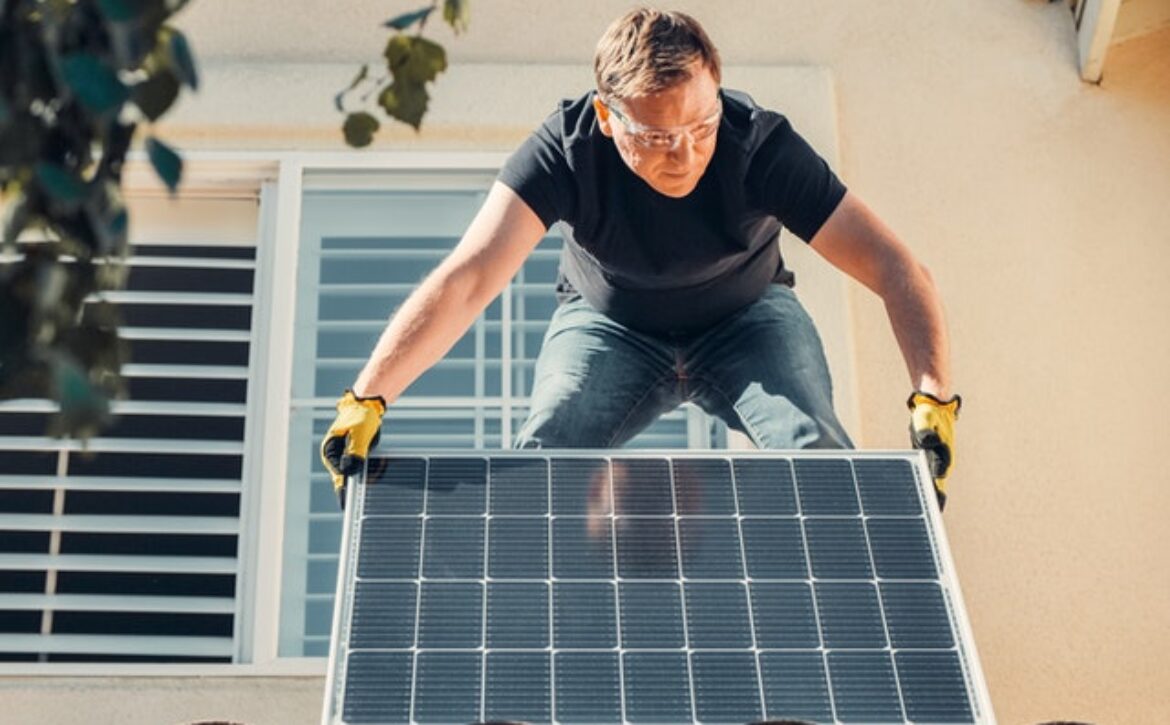
Moving forward with Microgrid- SPBMI

San Pasqual Band of Mission Indians (SPBMI) is a thriving community of over 1,500 residents. Over the years, the infrastructure growth has transformed the community life completely. The region, however, is notoriously affected by wildfires and the devastation reaches far beyond the loss of homes and businesses. The community gets hit often due to the reoccurring forest fires and this affects every aspect of life here from power disruption to infrastructures damage.

Read More

Think you’re ready for a microgrid? Answer these questions first

This article explores key questions about microgrids and is written for those beginning the microgrid journey. It is part of Microgrid Knowledge’s About Microgrids series.

I would like to know more about Gridscape