The “Impossible” Things Solar and Batteries Can Actually Do
For years, solar and batteries have been boxed into a narrow mental model.
Solar is “intermittent.”
Batteries are “backup.”
Together, they’re nice—but not serious.
That framing is outdated. And in some cases, flat-out wrong.
When designed as a system not as add-ons, solar and batteries can do things that sound impossible if you’re still thinking in traditional grid terms. Here are a few of the lesser-known capabilities that quietly upend how power systems really work.
1. They Can Make the Grid More Stable—Not Less
The common belief: renewables destabilize the grid.
The reality: batteries respond faster than any conventional power plant ever could.
A lithium-ion battery can inject or absorb power in milliseconds. Coal, gas, even hydro take seconds to minutes to react. That speed matters.
With the right controls, solar + storage systems can:
- Arrest frequency dips before humans even notice
- Smooth out voltage fluctuations at the feeder level
In other words, they don’t just “avoid” harming the grid—they actively perform grid services that fossil plants were never good at.
2. They Can Turn Weak Infrastructure into Reliable Power
Most outages don’t happen because generation is missing.
They happen because distribution infrastructure is fragile.
Solar + batteries can sit behind that fragility.
At a site level factories, campuses, warehouses, hospitals..they can:
- Isolate from grid disturbances automatically
- Ride through faults that would otherwise cause shutdowns
- Restart systems without waiting for the utility (black start capability)
This isn’t about going off-grid forever.
It’s about not being held hostage by the weakest link in the network.
3. They Can Deliver Peak Power Without Building Anything New
Utilities are often forced to build infrastructure for demand that exists only a few hours a year.
Batteries change that math.
By charging during low-cost, low-stress periods and discharging during peaks, solar + storage systems can:
- Eliminate demand charges for large consumers
- Defer or entirely avoid grid upgrades
- Free up capacity on already-strained feeders
From the grid’s perspective, it’s as if demand never happened even though the energy was fully delivered.
That’s not efficiency. That’s invisibility.
4. They Can Create Local Power Markets—Without Anyone Noticing
When multiple solar-battery systems are connected digitally, something subtle but powerful happens.
They stop behaving like individual assets and start behaving like a fleet.
This allows:
- Coordinated response to grid signals
- Portfolio-level optimization across locations
- Aggregation into virtual power plants that can support utilities at scale
The “impossible” part?
Each site can still operate independently if the network goes down.
Local autonomy and central coordination aren’t opposites anymore. They coexist.
5. They Can Make Energy Predictable in an Unpredictable World
Energy price volatility is becoming the norm driven by fuel markets, weather extremes, and policy swings.
Solar + batteries introduce something rare into that chaos: control.
Not just cost savings—but cost certainty.
With intelligent dispatch:
- Energy expenses become forecastable
- Exposure to peak pricing shrinks
- Long-term planning stops being a guessing game
For businesses, that predictability can matter more than headline savings.
6. They Can Grow Without Breaking the System
Traditional power systems hate change.
Every expansion triggers studies, upgrades, delays.
Modular solar + storage systems don’t.
When designed correctly, they can:
- Scale incrementally—from tens of kilowatts to megawatts
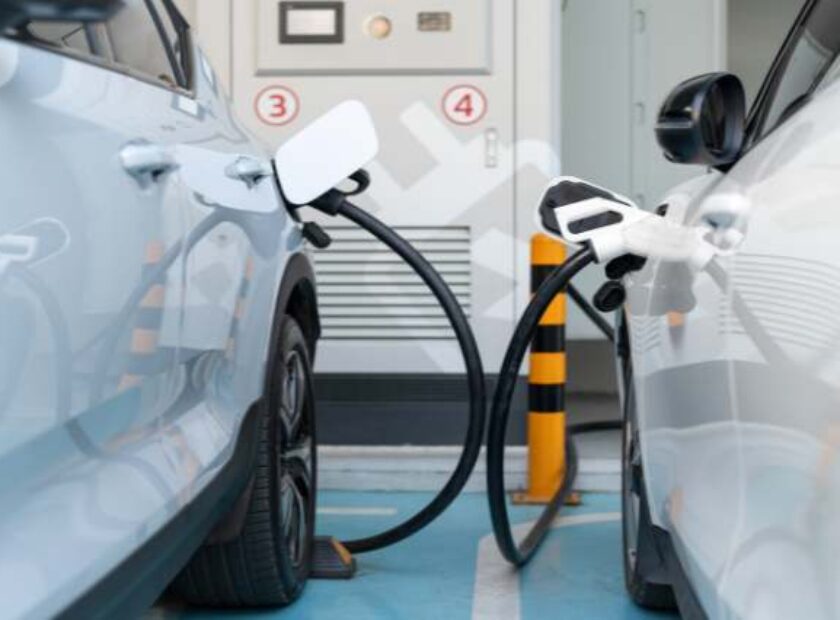
- Integrate new loads like EV charging without redesigning everything
- Adapt to future technologies through software, not hardware swaps
The system evolves. The foundation stays intact.
That’s not just flexibility—it’s future-proofing.
So Why Do These Capabilities Still Feel “Impossible”?
Because most deployments still treat solar and batteries as accessories:
A panel bolted onto a roof
A battery installed for outages
Software as an afterthought
The real transformation happens when hardware, controls, and operations are designed together—as a power system, not a product checklist.
That’s when solar and batteries stop being “alternatives” and start behaving like infrastructure.